A few weeks ago, I was scrolling through my phone gallery looking for a photo to post online. The picture itself was good, but the lighting looked dull, the colors felt flat, and there was a random person walking in the background that completely ruined the shot.
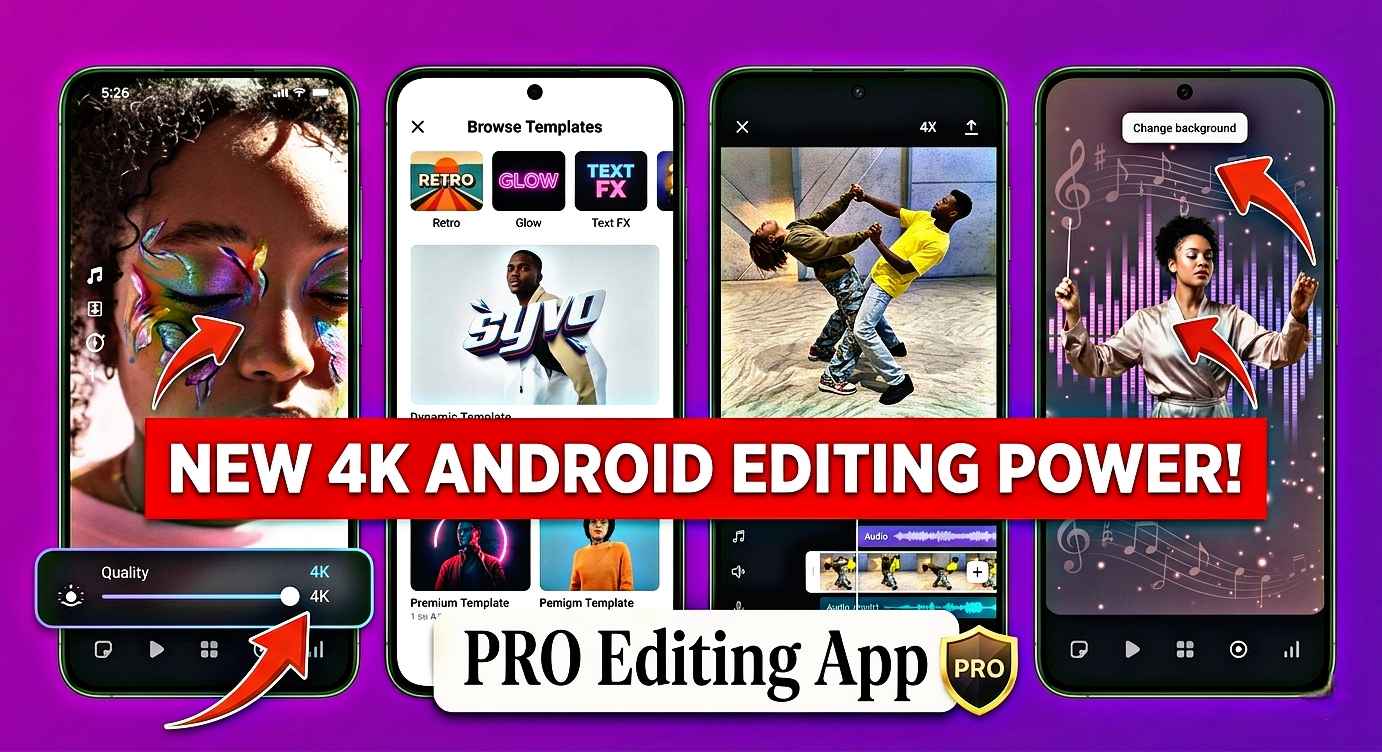
Normally, I would open one of the popular editing apps I use regularly, but many of them now lock useful features behind subscriptions. After trying several options, I came across a new free photo editing app that surprisingly offered many premium-style features without asking for a monthly payment.
After using it for several days on both Android and iPhone devices, I realized it could easily become a favorite choice for casual users, social media creators, students, and even small business owners who need quick image improvements.
If you’re searching for a free photo editing app in 2026 that actually delivers useful results, this guide will help you understand what makes these newer editing apps worth trying.
Why People Are Looking for New Photo Editing Apps
Photo editing has changed a lot over the last few years.
Most smartphone cameras are already excellent. The problem is that photos don’t always look exactly how we remember the moment. Sometimes the sky looks washed out, indoor pictures appear too dark, or portraits need a little extra brightness.
Many users don’t need professional software. They simply want something that can:
- Improve image quality
- Remove unwanted objects
- Enhance colors
- Sharpen blurry photos
- Create social media-ready images
- Add filters and effects
- Make quick edits without complicated tools
That’s exactly where newer free editing apps are making a difference.
My First Impression
The first thing I noticed was how simple the interface felt.
Instead of dozens of confusing buttons, everything was organized into clear categories. Within minutes, I could adjust brightness, contrast, shadows, and colors without watching tutorials.
I tested the app on:
- Android smartphone
- iPhone
- Tablet device
The performance remained smooth across all devices.
One thing that surprised me was the AI-powered enhancement feature. I expected the usual over-processed look, but the results were surprisingly natural.
A landscape photo I had taken during sunset instantly gained better color balance while still looking realistic.
Features That Stand Out in 2026
1. One-Tap AI Enhancement
This feature has become incredibly popular.
Instead of manually adjusting ten different settings, the AI analyzes the image and improves:
- Lighting
- Sharpness
- Color balance
- Exposure
- Details
For quick edits, it saves a lot of time.
2. Object Removal Tool
I recently used this while editing a family picture taken at a crowded park.
There were several strangers visible in the background.
Using the removal tool, I highlighted the unwanted people and let the app process the image. The final result wasn’t perfect under close inspection, but for social media and personal use, it looked excellent.
3. Portrait Enhancement
Selfies and portraits benefit greatly from these newer editing features.
You can:
- Smooth skin naturally
- Brighten eyes
- Improve lighting
- Reduce shadows
- Enhance facial details
The key difference compared to older apps is that the results look more realistic.
4. Background Blur
Many free apps now offer background blur effects that imitate DSLR cameras.
I tested this feature on pet photos and product images.
The subject remained sharp while the background became pleasantly blurred, making the photo appear more professional.
5. Ready-Made Filters
Filters are still popular in 2026, but users prefer subtle effects.
The newer apps provide filters that enhance photos without making them look overly edited.
Popular options include:
- Natural
- Vintage
- Cinematic
- Travel
- Portrait
- Bright Lifestyle
Step-by-Step Guide to Edit a Photo
If you’re new to photo editing, here’s the simple process I usually follow.
Step 1: Import the Photo
Open the app and select an image from your gallery.
Choose the highest-quality version available.
Step 2: Apply AI Enhancement
Start with automatic enhancement.
This provides a solid foundation before making manual adjustments.
Step 3: Adjust Brightness and Contrast
Make small changes rather than extreme ones.
A common mistake is increasing brightness too much, which removes detail from the image.
Step 4: Improve Colors
Adjust:
- Saturation
- Vibrance
- Warmth
Small adjustments usually look more professional.
Step 5: Remove Distractions
Use object removal tools to eliminate:
- Photobombers
- Random objects
- Unwanted signs
- Background clutter
Step 6: Sharpen Carefully
A little sharpening helps improve details.
Too much sharpening creates an unnatural appearance.
Step 7: Save in High Quality
Always export the image using the highest available quality setting.
This prevents blurry uploads on social media platforms.
Real-Life Use Cases
Social Media Posts
Most people simply want their photos to look cleaner and brighter before posting.
The editing tools make this process quick and easy.
Online Selling
I recently helped a friend improve product photos for an online marketplace.
After adjusting lighting and removing distractions, the products appeared much more professional.
Better images often attract more attention from potential buyers.
Travel Photography
Travel photos benefit greatly from color enhancement.
Landscape shots, beaches, mountains, and city scenes can look significantly more vibrant with a few adjustments.
Student Projects
Students often need images for presentations and assignments.
A simple editing app can improve image quality without requiring advanced software.
Mistakes I Made While Learning Photo Editing
When I first started editing photos years ago, I made several mistakes that actually made pictures worse.
Overusing Filters
I used to apply strong filters to every image.
After a while, all photos looked unrealistic.
Now I prefer subtle adjustments.
Excessive Saturation
Bright colors may seem attractive initially, but too much saturation can make images look fake.
Over-Sharpening
This is one of the easiest mistakes to make.
Too much sharpening creates harsh edges and unwanted noise.
Editing Every Detail
Not every photo needs dramatic changes.
Sometimes a simple brightness adjustment is enough.
Android vs iPhone Performance
I tested similar editing tasks on both platforms.
Android
Advantages:
- Wide device compatibility
- Flexible file management
- Large app selection
iPhone
Advantages:
- Consistent performance
- Smooth user experience
- Excellent camera integration
In everyday use, the editing experience felt very similar on both systems.
The quality of the final images depended more on the original photo than the operating system.
Tips for Better Results
Here are a few practical tips that improved my editing workflow:
Shoot in Good Lighting
Even the best editing app cannot completely fix a poorly captured image.
Natural light remains your best friend.
Keep Original Copies
Always save the original photo before editing.
This allows you to restart if something goes wrong.
Edit on a Larger Screen When Possible
Tablets make detailed editing easier.
You can spot mistakes that might be missed on smaller screens.
Compare Before and After
Most editing apps include a comparison button.
Use it often.
If the edited version doesn’t clearly look better, reduce your adjustments.
Are Free Photo Editing Apps Worth Using in 2026?
Based on my experience, absolutely.
The gap between free and paid photo editing tools has become much smaller.
Many free apps now offer:
- AI enhancements
- Background removal
- Portrait editing
- Filters
- Object removal
- High-quality exports
For most users, these features are more than enough.
Professional photographers may still require advanced desktop software, but everyday users can achieve impressive results directly from their phones.
The biggest surprise for me was how quickly I could transform an average-looking photo into something I was happy to share online. Instead of spending twenty minutes adjusting every setting, I could often improve an image in less than two minutes.
If you enjoy taking photos with your smartphone, trying one of the new free photo editing apps available for Android and iOS in 2026 is definitely worth your time. The technology has improved dramatically, the learning curve is small, and the results are better than many people expect.